What Dishwashing Challenges Do High-Volume Canteens Face?
A canteen dishwashing system is a coordinated combination of tray return, waste removal, tableware sorting, pre-rinsing, machine washing, drying, storage and clean-tableware distribution.
Unlike a restaurant with table service throughout the day, many staff and industrial canteens serve a large number of diners within a fixed meal period. When the meal period ends, trays, plates, bowls, cups and cutlery may return almost simultaneously.
Concentrated Meal-Time Return
Corporate and factory canteens often experience short but intense lunch or shift-change peaks. The tray return area, sorting positions and dishwasher must be sized for this concentrated return rather than the daily average.
Tray Return Congestion
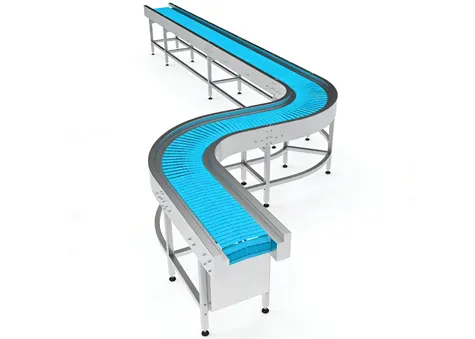
When diners return trays manually to one small collection point, queues and crowded walkways can develop. A tray return conveyor can guide used tableware into the dishroom in a more organized sequence.
Heavy Dependence on Manual Labor
Manual tray collection, scraping, pre-rinsing and dishwashing can require a large team during peak periods. Poorly connected workstations also increase repeated lifting and walking.
Mixed Tableware and Food Residue
Canteens may process trays, compartment plates, bowls, reusable cups, cutlery, kitchen utensils and food transport containers. These items may require different sorting, loading and washing methods.
Limited Dishroom Space
Existing factory or office canteens may have fixed walls, drainage points, columns and narrow installation access. Equipment direction and supporting tables therefore need to match the actual site.
Recommended Dishwasher Configuration for Different Canteens
Different canteen operations require different levels of automation. Mayers selects equipment according to peak meals, tableware type, return method, available floor space and local utility conditions.
| Canteen Type | Main Requirement | Recommended Equipment | Planning Focus |
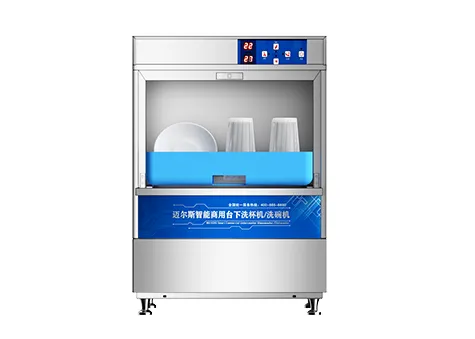
| Small Office Canteen | Moderate meal volume and limited kitchen space | Hood Type Dishwasher | Compact batch-washing station with sinks and work tables |
| Corporate Staff Cafeteria | Concentrated lunch return and reusable trays | Hood Type Dishwasher Rack Conveyor Dishwasher | Coordinate tray return, sorting and rack loading |
| Factory Canteen | Large groups dining around shift changes | Rack Conveyor Dishwasher Tray Return Conveyor | Design for a short, high-volume return period |
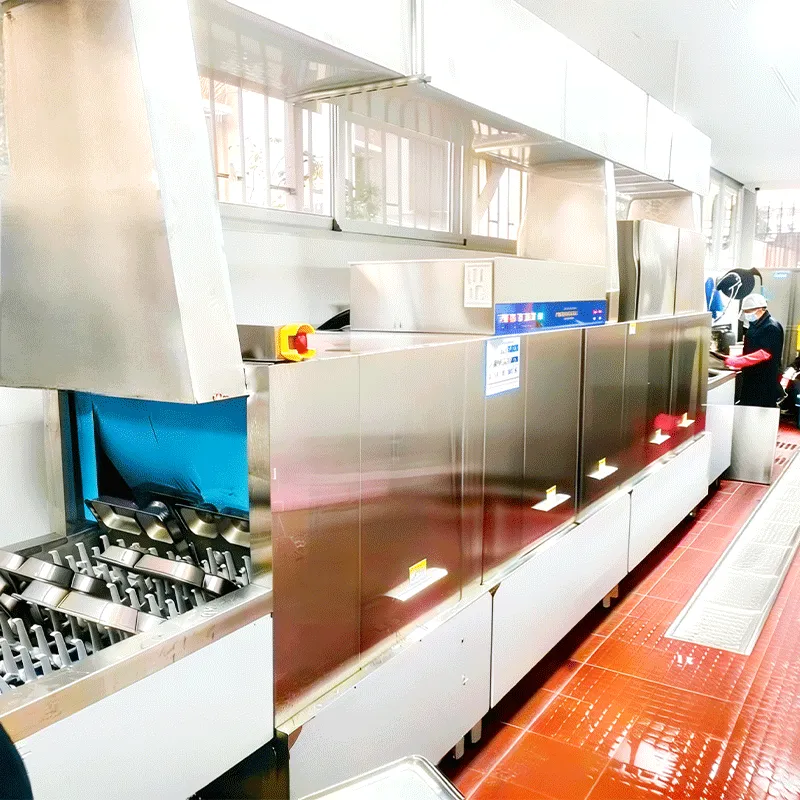
| Large Industrial Canteen | Continuous high-capacity washing | Flight Type Dishwasher | High automation and continuous tableware loading |
| Hospital or Government Staff Canteen | Organized daily meal service and consistent workflow | Rack Conveyor Dishwasher Work Tables | Separate dirty entry, clean exit and temporary storage |
| Food Preparation Area | Washing fruit, vegetables and ingredients | Fruit and Vegetable Washer | Keep food preparation separate from used tableware return |
| Central Kitchen Logistics Area | Cleaning plastic crates and transport containers | Plastic Crate Washer | Suitable for centralized ingredient and container logistics |
| Complete Canteen Project | Equipment selection and customized workflow | Mayers Customization | Layout, utilities, machine direction and equipment integration |
How to Choose the Right Commercial Dishwasher for a Canteen
The right commercial dishwasher for canteen use should be selected according to peak-hour demand rather than total daily meals. Project planners should first determine how many trays, plates, bowls, cups and cutlery items return during the busiest 30–60 minutes.
Hood Type Dishwasher for Small Canteens
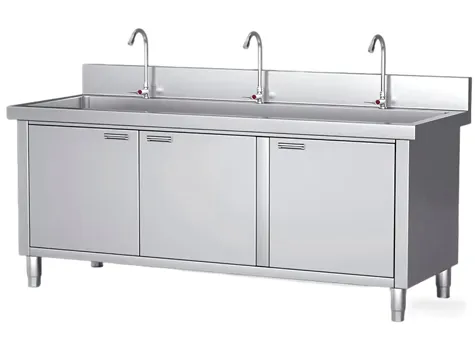
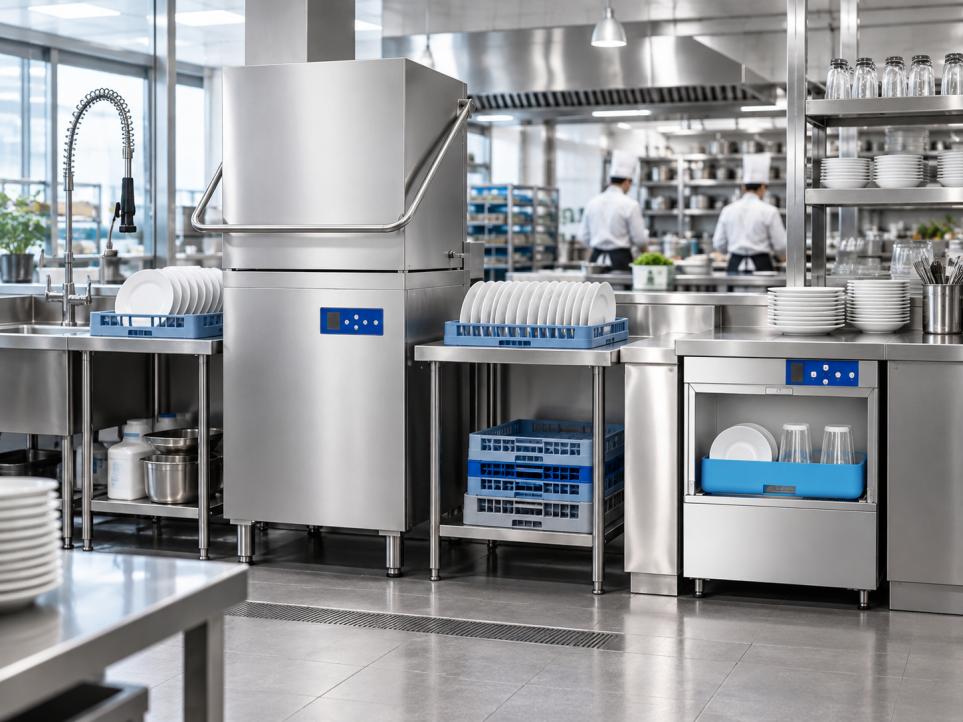
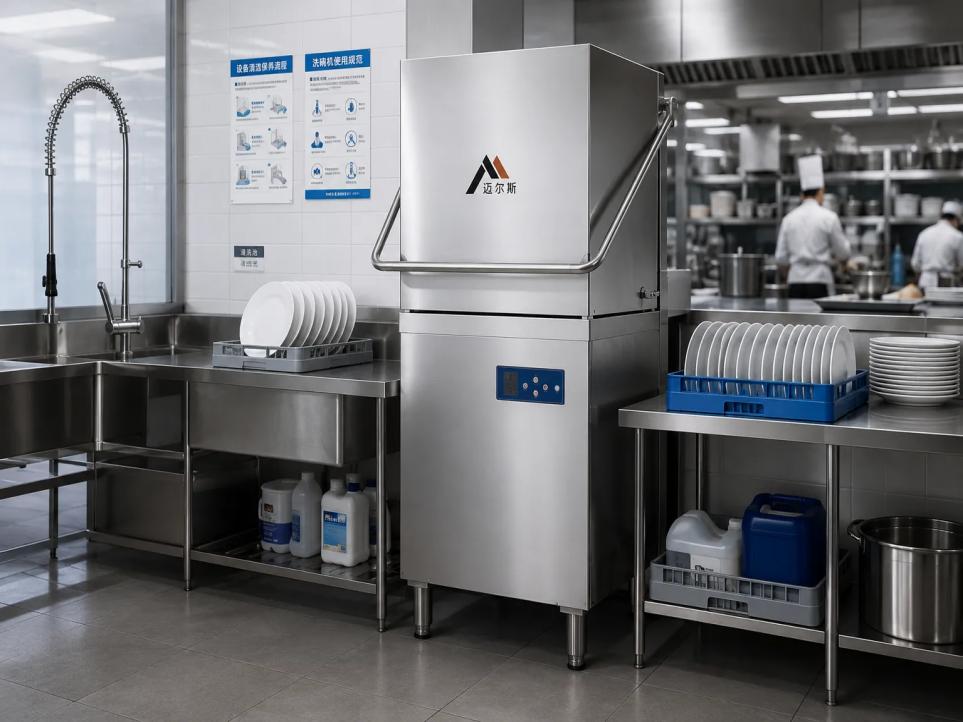
A hood type dishwasher is suitable for small office cafeterias, staff dining rooms and compact institutional kitchens. It works in batches and can be combined with a pre-rinse sink, dirty-side inlet table and clean-side outlet table.
Rack Conveyor Dishwasher for Medium and Large Canteens
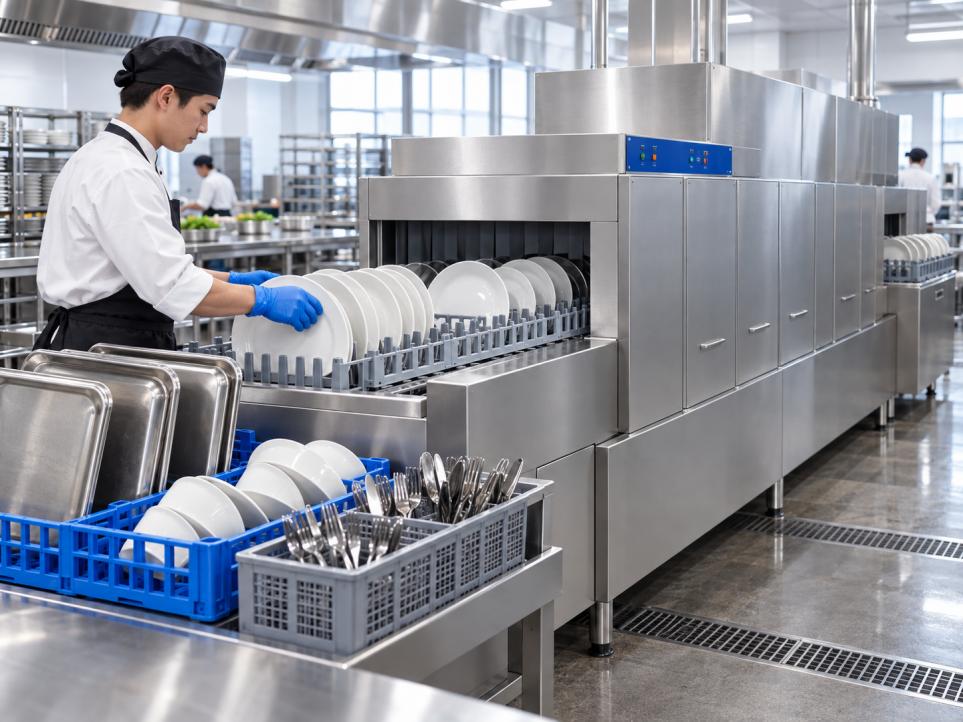
A rack conveyor dishwasher supports continuous rack-based washing and is suitable for corporate cafeterias, factory canteens and other facilities with concentrated meal-time return.
Flight Type Dishwasher for Large-Scale Institutional Dining
A flight type dishwasher is suitable for large industrial canteens and central dining facilities requiring continuous loading and a higher level of automation.
Tray Return Conveyor for Organized Collection
A cafeteria tray return conveyor can move trays and used tableware from the dining area toward the sorting and washing zone. Conveyor length, direction and turning points can be configured according to the building layout.
 English
 Español
 русский