Why a Restaurant Needs More Than One Dishwasher Machine?
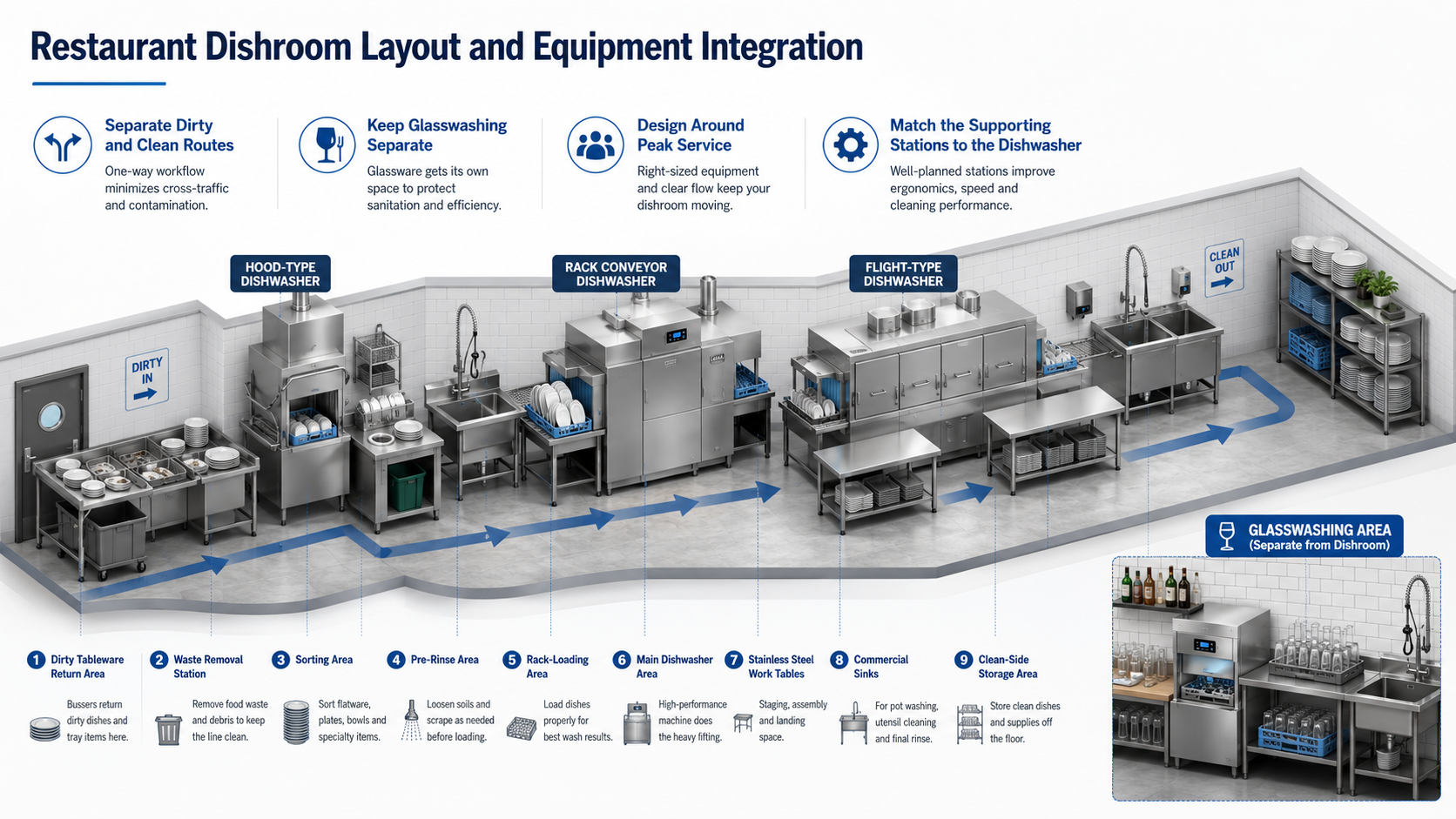
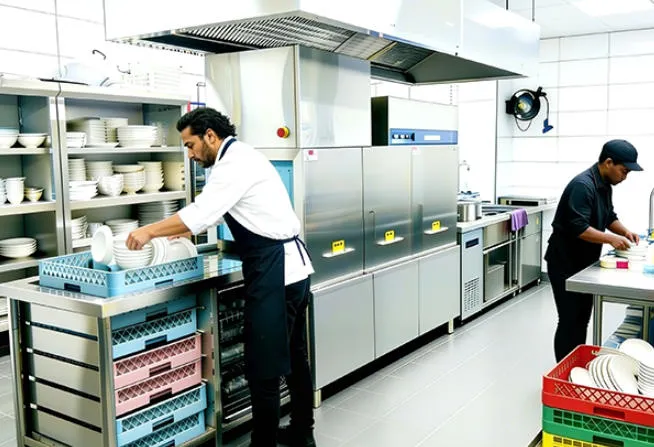
A restaurant dishwasher solution is a coordinated system that combines used-tableware return, waste removal, sorting, pre-rinsing, machine washing, drying and clean-item storage. The machine is only one part of the dishroom.
Lunch and Dinner Peaks
Plates, bowls, cutlery and glasses often return within a short service window. Average daily covers do not reflect the real peak load.
Limited Kitchen Space
A compact dishroom needs clearly positioned sinks, loading tables, clean-side discharge and maintenance access.
Mixed Tableware
Delicate glasses, greasy plates, cutlery and heavy pots should not all compete for the same washing route.
Manual Handling Pressure
Repeated scraping, carrying, loading and unloading can create unnecessary labor when the stations are poorly connected.
Dirty and Clean Cross-Traffic
Incoming used tableware should not cross the route used to inspect, store and return clean items to service.
Different Utility Conditions
Voltage, water inlet, drainage, ventilation and installation access vary between new-build and renovation projects.
Which Commercial Restaurant Dishwasher Is Right for Your Kitchen?
The best commercial dishwasher for a restaurant is the one that matches the busiest service period, tableware mix, available footprint and staff workflow.
| Restaurant Type | Main Washing Requirement | Recommended Configuration | Planning Focus |
| Coffee Shop or Bakery | Cups, small plates and light tableware in limited space | Undercounter Glasswasher | Compact footprint and short peak-service cycles |
| Bar or Lounge | Wine glasses, beverage glasses and rapid drink-service turnover | Under Counter Bar Glass Washer | Keep glasswashing close to the bar and separate from greasy plates |
| Small Restaurant | Moderate plates, bowls, cutlery and kitchenware | Undercounter or compact hood type dishwasher | Balance machine size with the busiest lunch or dinner return |
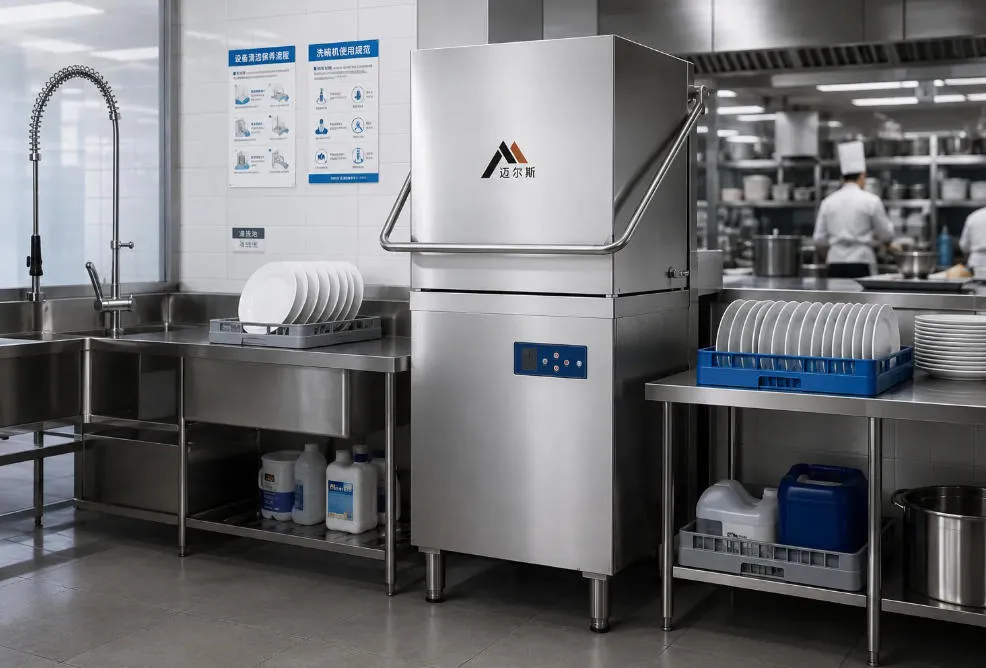
| Full-Service Restaurant | Regular batch washing through lunch and dinner | Hood type dishwashing machine | Connect pre-rinse sink, inlet table and clean outlet |
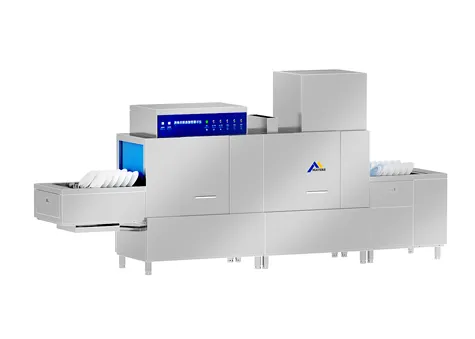
| Busy Restaurant or Buffet | Continuous high-volume tableware return | Rack conveyor dishwasher | Size sorting, rack loading and clean discharge for the same peak |
| Restaurant Chain / Central Kitchen | Standardized, repeatable large-scale operation | Rack conveyor or customized industrial dishwasher for restaurant use | Workflow standardization, utilities and service access |
| Pot-Washing Area | Greasy pots, pans, utensils and irregular kitchenware | Commercial ultrasonic dishwasher | Separate heavy-soil items from guest tableware |
Restaurant Dishwasher Equipment for Each Washing Zone
Different tasks should be separated where practical, then connected through one organized restaurant kitchen workflow.
Bar and Beverage Station
A dedicated restaurant glass washer machine keeps wine glasses, cups and beverage containers away from greasy tableware. Positioning it close to the bar reduces carrying distance and helps speed up glass turnover.
Small Restaurant Dish Station
A restaurant undercounter dishwasher suits compact kitchens with moderate loads. Selection should consider basket size, tableware type, local voltage and the busiest service period.
Full-Service Restaurant Kitchen
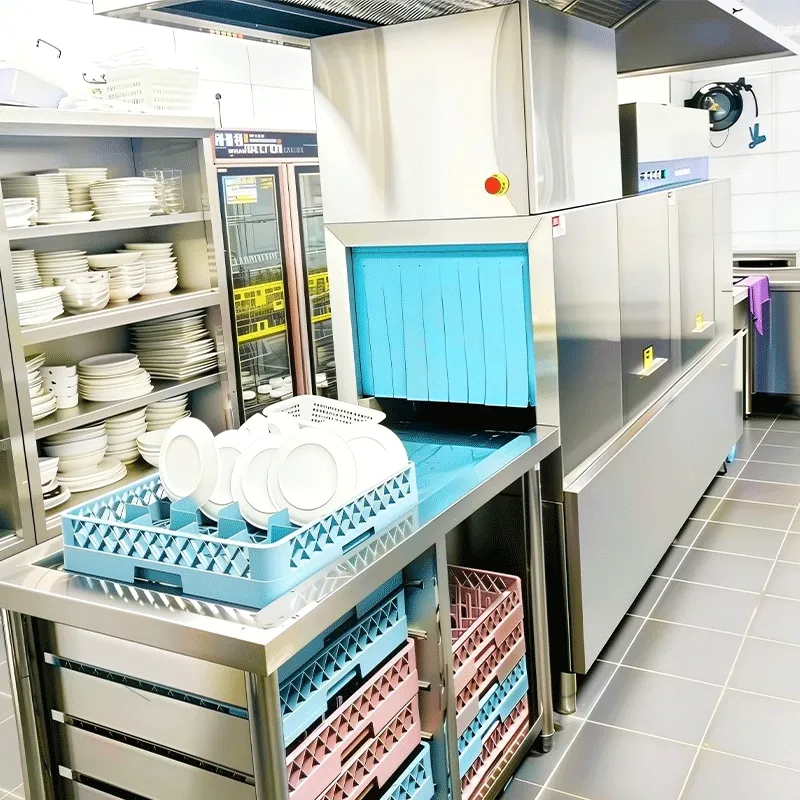
A hood type dishwasher can connect a scraping area, pre-rinse sink, inlet table and clean-side outlet into a clear batch-washing route for regular lunch and dinner operation.
High-Volume Restaurant Line
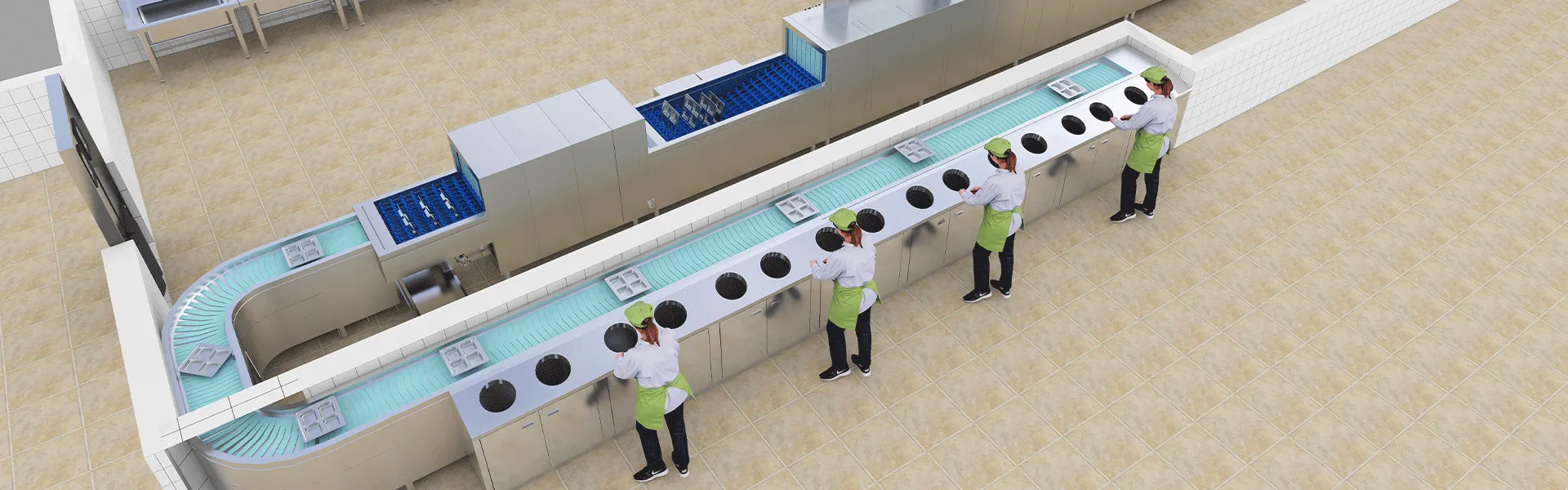
A rack conveyor system works as an industrial dishwasher for restaurant kitchens that need continuous processing. The return, sorting and rack-loading stations must be designed to keep pace with the machine.
Pot and Pan Washing
Greasy pots, pans and irregular utensils can be assigned to a separate hood type or ultrasonic washing area so the main restaurant dish machine remains focused on guest tableware.
Return, Sorting and Clean Storage
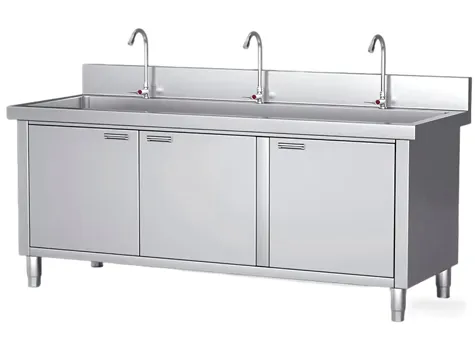
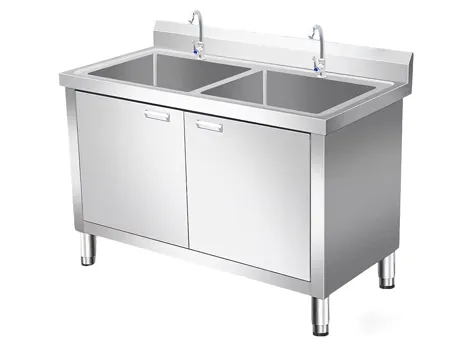
Commercial sinks, work tables, waste positions, racks and optional return conveyors connect the washing stages and reduce repeated handling inside the dishroom.
 English
 Español
 русский