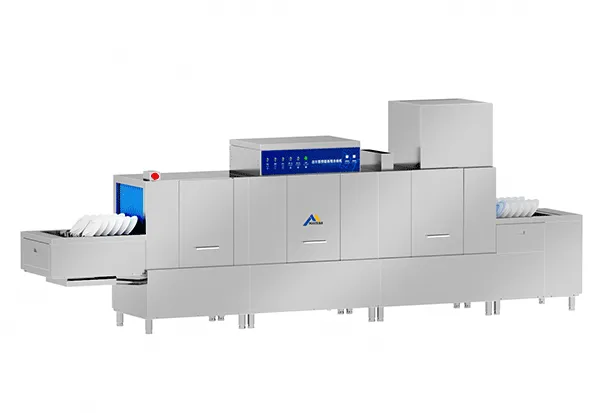
In a commercial kitchen, dishwashing efficiency depends not only on the performance of the machine itself but also on how the entire warewashing workflow is designed. A poorly planned washing area can create unnecessary movement, longer waiting times, and hygiene challenges during peak service periods. For restaurants, hotels, schools, hospitals, and catering facilities, integrating the right equipment into a well-organized pass-through station helps create a smoother transition from dirty tableware collection to clean dish distribution.
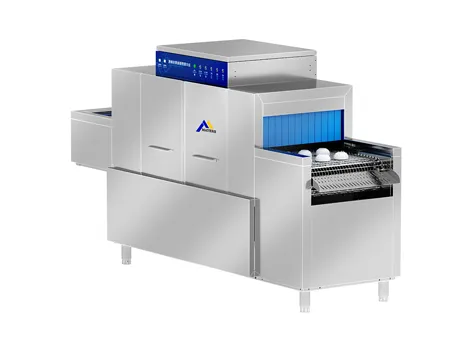
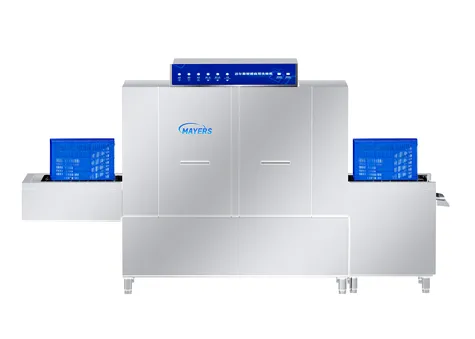
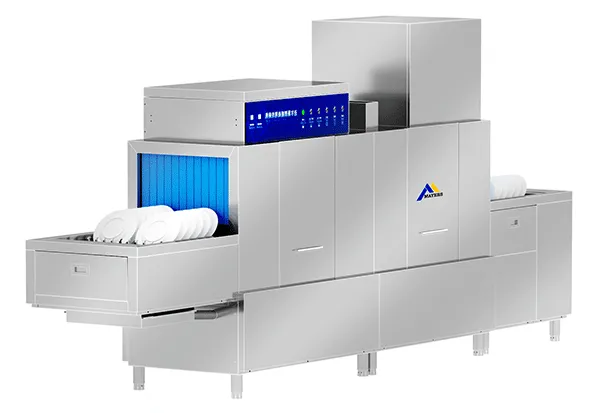
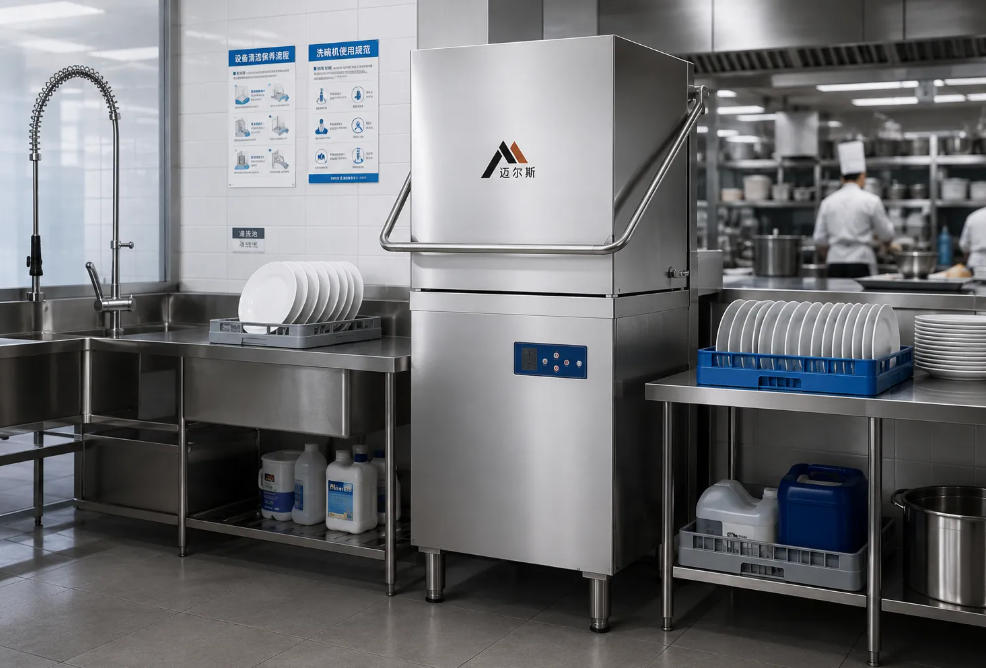
A Hood Type Dishwasher is often selected as the core washing equipment for medium-capacity kitchens because it provides efficient batch cleaning while maintaining a relatively compact installation footprint. However, achieving the best performance requires careful planning of surrounding areas, including tray collection, pre-rinsing, loading, unloading, and storage zones. MAYERS’ MES-M2 hood type dishwasher, for example, supports up to 60 baskets per hour with selectable 60-, 90-, and 120-second washing cycles, making it suitable for continuous batch washing during busy service periods.
Why Kitchen Workflow Matters When Installing a Hood Type Dishwasher
A commercial dishwasher should be considered as part of a complete warewashing process rather than an isolated piece of equipment. The arrangement of each working zone directly affects labor efficiency, sanitation control, and overall kitchen productivity.
The most effective pass-through dishwashing layouts follow a one-direction workflow: dirty tableware enters the washing area from one side, passes through sorting and cleaning stages, and leaves as clean tableware on the opposite side. This dirty-to-clean movement reduces unnecessary crossing paths and helps prevent potential contamination risks.
For restaurants and hotels, a properly planned Hood Type Dishwasher station allows operators to handle repeated washing tasks with fewer interruptions. In schools, universities, and hospital kitchens, where large numbers of trays and dishes return within short meal periods, workflow planning becomes even more important because delays in one area can affect the entire foodservice operation.
A practical layout should consider:
The distance between dish return points and washing equipment
The available working space for operators
The position of clean dish storage areas
Future expansion possibilities
By treating the dishwasher station as part of the overall kitchen design, businesses can improve productivity while maintaining consistent cleaning standards.
Essential Equipment Around a Hood Type Dishwasher Station
A complete pass-through dishwashing station usually includes several supporting areas that work together to create an efficient cleaning sequence. MAYERS recommends a workflow based on Tray Return → Sorting → Pre-rinse → Main Dishwashing → Drying → Clean Distribution, allowing different kitchen zones to operate in a logical order.
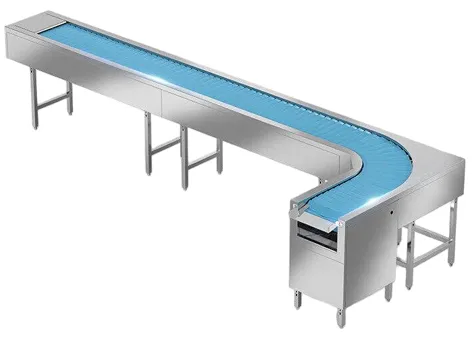
Tray Return Conveyor: In large kitchens such as schools, hospitals, and cafeterias, a Tray Return Conveyor helps collect used trays and tableware efficiently. It reduces manual transportation and creates a more organized return process.
Scraping and Waste Collection Area: Before washing, food residue should be removed from plates and trays. A dedicated scraping area helps reduce blockage risks and improves washing efficiency.
Pre-rinse Section: The pre-rinse stage removes loose food particles before dishes enter the main washing cycle, supporting better cleaning performance.
Stainless Steel Work Table: A Stainless Steel Work Table provides a durable surface for sorting, basket loading, and temporary placement of tableware. Stainless steel construction is especially suitable for commercial kitchens because it offers corrosion resistance and easy maintenance.
Hood Type Dishwasher: Positioned between the preparation and clean areas, the dishwasher performs the main washing and sanitizing process. Features such as automatic hood-controlled operation and high-temperature rinsing help support repetitive commercial use.
Clean Dish Unloading and Storage Area: After washing, clean tableware should move directly into drying or storage areas to maintain a clear separation between clean and dirty zones.
Combining these elements creates a continuous workflow where each station supports the next step of the washing process.
Recommended Pass-Through Dishwashing Station Layouts
| Kitchen Type | Recommended Layout | Supporting Equipment | Best For |
|---|
| Restaurant | Straight pass-through | Hood Type Dishwasher + Stainless Steel Work Table | Medium-volume service |
| Hotel Kitchen | Dual work zones | Hood Type Dishwasher + Work Tables | Banquet & buffet service |
| School Canteen | One-way return line | Tray Return Conveyor + Hood Type Dishwasher | Peak meal periods |
| Hospital Kitchen | Segregated clean/dirty areas | Conveyor + Work Tables + Dishwasher | Hygiene-critical operations |
Different kitchen types require different approaches. Restaurants often prioritize space efficiency and fast turnover, while hotels may need additional preparation and storage zones for banquet operations. School and hospital kitchens usually require stronger separation between dirty returns and clean distribution because of their high-volume and hygiene-focused environments.
Best Practices for Designing an Efficient Warewashing Area
An efficient warewashing area should balance workflow, operator comfort, and long-term operational reliability. One of the most important principles is maintaining one-direction tableware movement. When dirty dishes, washing equipment, and clean storage areas are arranged logically, staff can complete repetitive tasks with fewer unnecessary steps.
Operator positioning also affects productivity. The pre-rinse area, dishwasher loading position, and unloading table should be placed at suitable distances to reduce physical strain and improve working speed. Proper spacing between stations allows operators to prepare baskets, load dishes, and move clean items without creating congestion.
Utility planning is another key factor during installation. Water supply, drainage, and electrical connections should be considered during kitchen design to ensure stable operation and simplify future equipment upgrades.
The MAYERS MES-M2 is designed for demanding commercial environments with features including 304 stainless steel spray arms, 360° spray coverage, automatic hood-controlled operation, and intelligent temperature management. These functions help maintain consistent washing performance during repeated cleaning cycles.
Why MAYERS Provides Complete Pass-Through Warewashing Solutions
A successful commercial kitchen requires more than a single dishwasher. Equipment selection should match the kitchen’s meal volume, available space, labor structure, and future development plans.
MAYERS provides complete warewashing solutions that help customers configure practical washing systems:
Hood Type Dishwasher manufacturing: MAYERS develops commercial dishwashing equipment designed for restaurants, hotels, cafeterias, and institutional kitchens.
Stainless Steel Work Table customization: Supporting stainless steel equipment helps improve sorting, preparation, and clean dish handling efficiency.
Tray Return Conveyor integration: Conveyor solutions support large-scale kitchens where efficient tray collection is essential.
Kitchen layout consultation: MAYERS assists customers in selecting suitable equipment combinations according to workflow requirements.
OEM & ODM support: Flexible solutions are available for distributors, kitchen equipment suppliers, and commercial project contractors.
Complete commercial kitchen project solutions: MAYERS focuses on building integrated warewashing systems rather than providing only individual machines.
By combining dishwashing equipment with proper workflow planning, MAYERS helps commercial kitchens achieve better efficiency, improved hygiene management, and reliable long-term operation.
Frequently Asked Questions
What is a pass-through dishwashing station?
A pass-through dishwashing station is a layout where dirty tableware enters from one side, passes through washing equipment, and exits as clean dishes from the other side.
How much space is required for a Hood Type Dishwasher installation?
The required space depends on the machine model and supporting equipment. Enough room should be reserved for pre-rinsing, loading, unloading, and clean storage.
Why should a Stainless Steel Work Table be installed before the dishwasher?
A Stainless Steel Work Table provides a durable working surface for sorting, loading baskets, and preparing tableware before washing.
When is a Tray Return Conveyor necessary?
A Tray Return Conveyor is recommended for high-volume kitchens such as schools, hospitals, and cafeterias where large numbers of trays must be collected efficiently.
How can I improve workflow efficiency in a commercial dishwashing area?
A clear dirty-to-clean layout, proper equipment positioning, sufficient workspace, and suitable supporting equipment can significantly improve efficiency.
Why choose MAYERS for a complete warewashing system?
MAYERS provides commercial dishwashing equipment, supporting stainless steel products, customization options, and technical support for complete kitchen workflow solutions.
 English
 Español
 русский