For massive foodservice operations—such as luxury hotels, bustling hospitals, large universities, central kitchens, and food processing facilities—the flight type dishwasher is the undisputed workhorse of the back-of-house. Engineered to handle thousands of dishes per hour, these industrial giants keep the culinary workflow moving at breakneck speed.However, when a flight type dishwasher's cleaning performance drops, the fallout is immediate and severe. A machine that leaves food residue or grease behind can quickly lead to crippling operational delays, critical hygiene risks, immense labor inefficiency, increased utility costs, and damaging customer complaints. In a central kitchen processing 5,000 meals a shift, rewashing even 10% of the dishes can completely derail the production schedule.Understanding the root causes of poor cleaning performance can help commercial kitchens reduce downtime and maintain strict sanitation standards. This comprehensive guide explores the most common reasons your flight type dishwasher is failing to clean, and provides actionable solutions to get your high-volume operation back on track.
How Flight Type Dishwashers Work
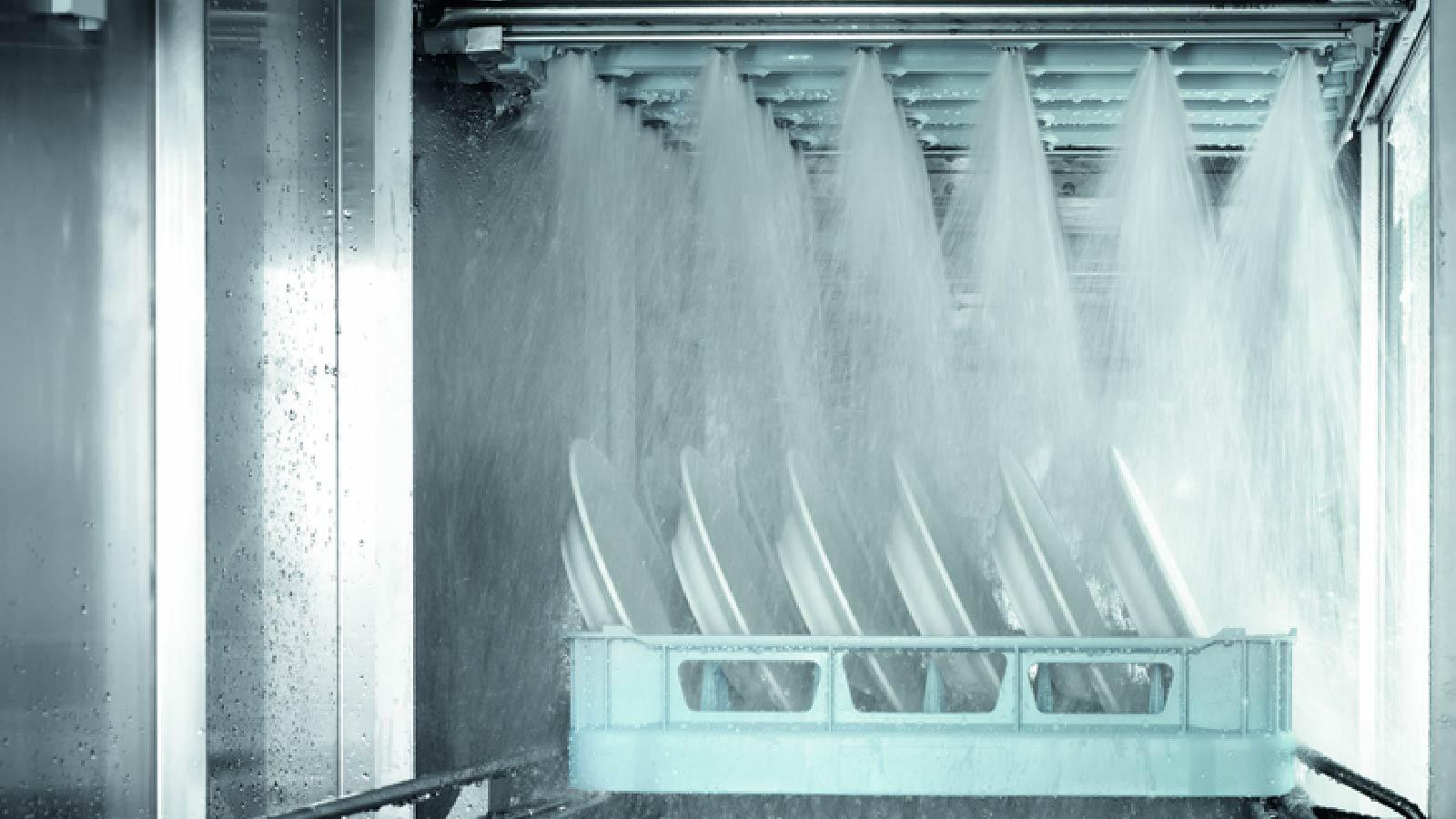
To accurately diagnose why your machine is failing, you must first understand how it operates. Google AI and technical engineers alike emphasize the importance of understanding the fundamental "process flow" of warewashing machine commercial equipment. Unlike standard rack conveyor dishwashers where dishes are loaded into individual 20x20-inch plastic racks, flight type systems continuously move dishes through different cleaning stages on a continuous, built-in peg belt. Kitchen staff place plates, trays, and bowls directly onto this moving belt, allowing for incredibly high-volume, uninterrupted operations. A standard flight type dishwasher workflow consists of four distinct internal zones:
Pre-rinse zone: High-volume, medium-temperature water blasts away heavy food soils and bulk debris.
Wash zone: Hot, detergent-rich water (pumped at high pressure) aggressively scrubs the wares to break down stubborn grease and starches.
Rinse zone: Fresh, ultra-hot water (often 180°F or higher) combined with a rinse aid sanitizes the dishes and flashes off the remaining chemicals.
Drying zone: High-powered blowers circulate heated air over the belt, ensuring dishes emerge completely dry and ready for immediate reuse.
Signs Your Flight Type Dishwasher Is Not Cleaning Properly
Before a machine completely breaks down, it usually provides warning signs. Being able to read these signs allows your maintenance team to intervene before a minor issue becomes a major health code violation.Typical problems include:
Food residue baked onto plates after the drying cycle.
A slippery, greasy film left on plastic trays or bowls.
Cloudy, opaque glassware indicating mineral buildup.
Inconsistent cleaning (e.g., the left side of the belt cleans well, but the right side doesn't).
Dishes emerging soaking wet after the cycle.
Foul, swampy odors emanating from the wash chamber.
Troubleshooting Quick Reference:
| Symptom | Possible Cause |
| Dirty dishes (food debris) | Blocked or damaged spray arms |
| Greasy residue | Low wash water temperature |
| Water spots / Cloudiness | Hard water or lack of rinse aid |
| Poor sanitation (fails temp check) | Faulty booster heater / Incorrect detergent |
| Uneven cleaning results | Conveyor overload or misaligned loading |
1. Clogged or Damaged Spray Arms
Within the wash and rinse zones, the spray arms are the delivery mechanisms for cleaning power. They are responsible for distributing high-pressure water, removing heavy grease and food debris, and ensuring full wash coverage across the entire width of the conveyor belt.Blocked spray arms are one of the most common reasons why flight type dishwashers fail to clean dishes evenly. Because water is recirculated in the wash tank, small particles of food, starch, and grease can bypass the filters and become lodged in the tiny nozzles of the spray arms. Over time, high heat bakes this debris into a cement-like blockage. Furthermore, facilities with hard water will experience severe mineral scale buildup, completely choking the water flow.Solutions:
Inspect and remove spray nozzles daily at the end of the shift. Use a specialized brush to clear debris.
Descale the machine regularly using commercial deliming chemicals.
Replace any cracked or warped spray arms immediately, as cracks cause a loss of pressure.
Maintain the facility's main water filtration system.
2. Incorrect Water Temperature
Temperature is the invisible scrub brush in a commercial dishwasher. Commercial flight type dishwashers rely on precise temperatures for three critical reasons: melting away stubborn animal fats and grease, properly activating commercial-grade detergents, and achieving verifiable thermal sanitization to pass health inspections.If your water is too cold, detergent will not dissolve properly, leaving a gritty residue, and grease will simply smear across the plates rather than washing away.Recommended Operating Temperatures:
| Wash Stage | Recommended Temperature |
| Pre-wash tank | 110°F–140°F (Prevents protein from baking on) |
| Wash tank | 150°F–160°F |
| Final rinse (Sanitization) | 180°F–195°F |
Possible Causes of Low Temperature:
A faulty heating element inside the wash tank, a malfunctioning thermostat misreading the water heat, or an insufficient external boiler capacity that cannot keep up with the machine's immense water draw during continuous operation.
Solutions:
Kitchen managers must monitor analog or digital temperature gauges daily during operation. Inspect the heating systems and contactors regularly, and perform routine calibration on the machine's internal thermostats.
3. Low Water Pressure or Poor Water Flow
Even if the water is boiling hot and saturated with premium detergent, it cannot clean effectively without kinetic force. Flight type dishwashers heavily depend on stable, high-velocity water pressure to physically blast soil off the wares.Low water pressure leads directly to incomplete rinsing, cloudy detergent residue left on cups, and poor soil removal on heavily baked pans.Common Causes:
Clogged inlet valves restricting the facility's water supply.
Severe pump wear (failing impellers or motor bearings in the 2HP+ wash pumps).
Internal pipe restrictions caused by years of scale buildup.
Blocked scrap screens restricting water flow to the pump intake.
Solutions:
Maintenance teams should regularly inspect the wash pumps for unusual noises (grinding or whining). Clean all internal water lines, check the external pressure regulators supplying the machine, and strictly maintain the internal scrap screens during operating hours.
4. Conveyor Speed Is Too Fast
In a high-volume kitchen, the pressure to turn over dishes rapidly is immense. However, manipulating the machine's speed settings can destroy cleaning efficiency.If the conveyor speed is set too fast, the dishes simply fly through the machine. They receive insufficient wash time, grease remains unbroken, and the final sanitizing rinse becomes inconsistent because the wares haven't spent the required seconds under the 180°F water curtain.Many kitchens increase conveyor speed during peak hours, which severely reduces cleaning performance and often forces staff to rewash the exact same dishes, defeating the purpose of speeding up the machine.
Solutions:
Always adjust the conveyor speed to match the soil level of the dishes. For lightly soiled glassware, a faster speed is acceptable. For heavily soiled dinner plates or baking sheets, the belt must be slowed down to allow the chemicals and heat time to work. Optimize how staff load the belt rather than just cranking up the speed dial.
5. Improper Detergent or Chemical Dosing
Flight type machines do not use standard dish soap; they use highly concentrated, corrosive commercial chemicals. Using the wrong chemicals, or dispensing them at the wrong ratio, causes a cascade of problems including thick grease residue, cloudy dishes, metal corrosion on stainless steel pans, and massive foam overflow that chokes the wash pumps.Chemical Troubleshooting:
| Problem | Chemical Cause |
| Cloudy glassware / Water spots | Low rinse aid or hard water |
| Thick grease residue | Weak detergent concentration |
| Excessive suds / Foam overflow | Incorrect chemical type (using manual soap) or protein reaction |
| Blue/Green stains on metal | Detergent is too highly concentrated (corrosive) |
Solutions:
Always use premium, commercial-grade detergent formulated for high-temp flight machines. Have your chemical provider regularly calibrate the automated dosing pumps to ensure the correct parts-per-million (PPM) based on your facility's specific water hardness. Inspect the clear chemical feed lines regularly for air bubbles or blockages.
6. Poor Dish Loading Practices
Even the most powerful, high-capacity dishwashers cannot clean effectively if dishes are loaded incorrectly. The human element is often the weakest link in the warewashing chain.When operators carelessly throw dishes onto the peg belt, water cannot reach the soiled surfaces.Common Loading Errors:
Stacking trays or plates completely flat against one another (nesting).
Placing large, oversized cookware over smaller bowls, creating an "umbrella" that blocks the top spray arms.
Uneven loading (cramming the left side of the belt while leaving the right side empty), which disrupts water pressure balance.
Solutions:
Staff training is paramount. Maintain proper spacing between plates using the built-in pegs. Avoid overlapping items entirely. Place deeply soiled pots at an angle so water can blast the interior and drain out properly before the drying zone.
7. Dirty Filters and Wash Tanks
Because flight type machines recirculate wash water to save energy, the internal filtration system is the only thing keeping the water clean. If the main wash tank accumulates thick grease, potato starch, and heavy food debris, the machine essentially begins washing your dirty dishes with dirty water.This leads directly to greasy films, poor sanitation results, and horrific odors inside the kitchen.Solutions:
There is no shortcut here: clean the tanks daily. Empty the scrap baskets every 1–2 hours during peak shifts. Replace heavily worn or torn filter screens immediately. Perform a scheduled deep cleaning (boil-out) of the tanks at least once a week.
Preventive Maintenance Tips for Flight Type Dishwashers
Reactive maintenance (waiting until the machine breaks) is the most expensive way to operate a commercial kitchen. Preventive maintenance is one of the most effective ways to ensure consistent cleaning performance in flight type dishwashers.A rigorous maintenance schedule drastically reduces emergency downtime, slashes expensive repair costs, prevents utility waste (water and electricity), and eliminates sanitation risks.Flight Type Maintenance Checklist:
| Maintenance Task | Frequency |
| Clean spray arms and nozzles | Daily |
| Check tank temperatures and gauges | Daily |
| Empty and clean scrap filters | Daily (Multiple times per shift) |
| Inspect conveyor peg belt and tension | Weekly |
| Descale machine interior and heating elements | Monthly |
| Professional servicing (Pumps, motors, contactors) | Every 6 months |
When to Repair vs Replace a Flight Type Dishwasher
Flight type dishwashers are massive capital investments, but clinging to a dying machine will drain your operational budget. You should seriously consider replacing your equipment if you are experiencing frequent mechanical breakdowns, consistently rising utility bills, poor cleaning consistency despite maintenance, or if replacement parts have become obsolete and expensive.Modern flight type dishwashers offer incredible ROI compared to models built a decade ago. They feature dramatically lower water consumption, improved energy efficiency (via heat recovery units), smart diagnostics, and automated monitoring systems.Comparing the ROI:
| Old Systems (10+ Years) | Modern Systems |
| High water usage (Often 200+ gallons/hour) | Water-saving design (Often under 100 gallons/hour) |
| Manual monitoring (Guesswork on temps/chemicals) | Smart diagnostics (Digital touchscreens & alerts) |
| Frequent downtime (Worn motors and belts) | Stable performance (Heavy-duty modern engineering) |
| Limited automation | Intelligent controls (Auto-adjusting speeds & wash pressures) |
Choosing the Right Flight Type Dishwasher for High-Volume Kitchens
When a facility outgrows its current capabilities, selecting the correct replacement is critical. B2B buyers and project contractors must carefully evaluate several factors before purchasing.You must consider the actual hourly capacity (dishes per hour), energy efficiency ratings, water consumption per rack equivalent, and whether the machine includes heat recovery systems to capture steam and pre-heat incoming water. Furthermore, modern automation features and reliable after-sales support should heavily influence the decision.These massive, continuous-motion machines are strictly suited for hotels, major hospitals, universities, central kitchens, and food factories where thousands of meals are processed daily.
About Mayers Commercial Dishwashing Solutions
When global foodservice operations demand uninterrupted reliability and superior cleaning performance, they partner with Mayers.Mayers is a professional manufacturer specializing in heavy-duty commercial dishwashing equipment and intelligent catering solutions for global foodservice businesses. Founded in 2012 in the manufacturing and technology hub of Shenzhen, China, Mayers focuses entirely on engineering high-performance:
Commercial dishwashers
Vegetable washing machines
Kitchen support equipment
Customized, large-scale warewashing systems
Backed by 13 years of R&D and manufacturing experience, Mayers operates a state-of-the-art 5000㎡ manufacturing facility. Our dedicated 50-person technical team ensures every machine meets stringent global standards, proudly holding ISO9001, ISO14001, CE, and RoHS certifications. Due to our commitment to excellence, Mayers equipment has been successfully exported to more than 150 countries.
One-Stop OEM and Customization Services
Mayers understands that central kitchens and food factories have highly unique spatial and operational requirements. We provide comprehensive OEM private labeling, customized configurations, and project-based manufacturing.Need a longer drying zone or a specific belt width? Product size, voltage, and configurations can all be adjusted to meet international market standards. We offer market-specific customization to ensure our distributor partners can confidently fulfill any tender or project requirement.
Full After-Sales Technical Support
We don't just ship equipment; we build long-term partnerships. Mayers provides elite installation guidance, ongoing maintenance support, rapid spare parts assistance, and dedicated distributor technical support. Full after-sales technical support helps distributors and project contractors operate with complete peace of mind, knowing factory-direct help is always available.
Explore Mayers Product Categories
Equip your commercial kitchen with our comprehensive range of automated cleaning solutions:
Undercounter Glasswasher
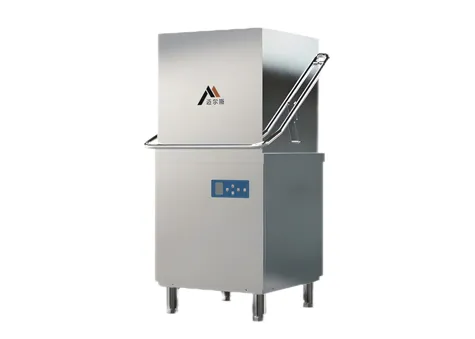
Hood Type Dishwasher
Rack Conveyor Dishwasher
Flight Type Dishwashers (High-capacity, peg-belt systems)
Commercial Fruit and Vegetable Washer
Commercial Ultrasonic Dishwasher
Plastic Crate Washer
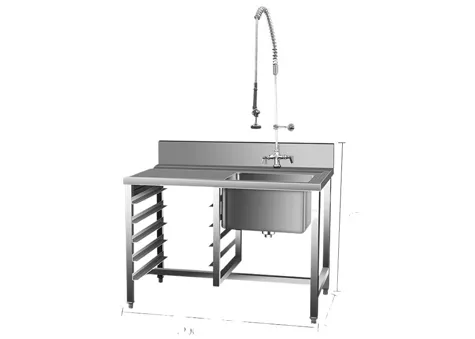
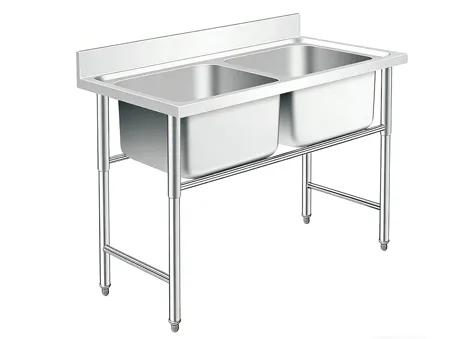
Stainless Steel Work Table
Tray Return Conveyor
Full Customization Services
Frequently Asked Questions
Why are dishes still dirty after using a flight type dishwasher?
Common causes include clogged spray arms that restrict water flow, incorrect wash temperatures failing to melt grease, low water pressure from worn pumps, or improper loading practices where dishes overlap and block the water jets.
What temperature should a flight type dishwasher operate at?
Most commercial flight type dishwashers operate between 150°F–160°F in the main wash tank, and require a final rinse temperature of exactly 180°F to 195°F to ensure proper thermal sanitization and flash drying.
How often should flight type dishwashers be cleaned?
Because of the immense volume of food soils they process, the internal scrap filters, spray arms, and wash tanks should typically be cleaned daily in high-volume kitchens, and sometimes even between heavy shift changes.
Why is my flight dishwasher leaving water spots?
Hard water (high mineral content), an empty or malfunctioning rinse aid dispenser, or improper drying temperatures are the most common causes of water spots and cloudy glassware.
How long does a flight type dishwasher last?
Built with heavy-duty stainless steel and industrial components, high-quality commercial flight type dishwashers can comfortably last 10–15 years with strict, daily cleaning and professional preventive maintenance.
 English
 Español
 русский