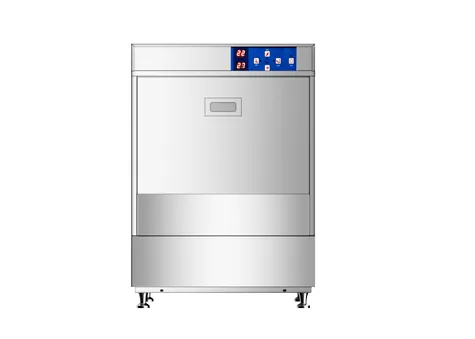
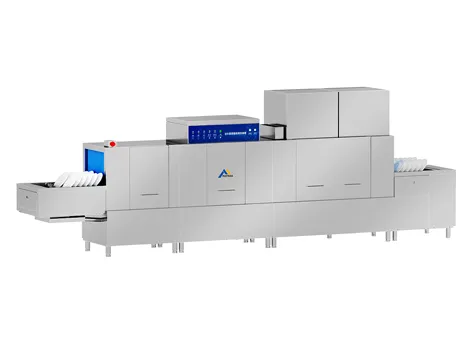
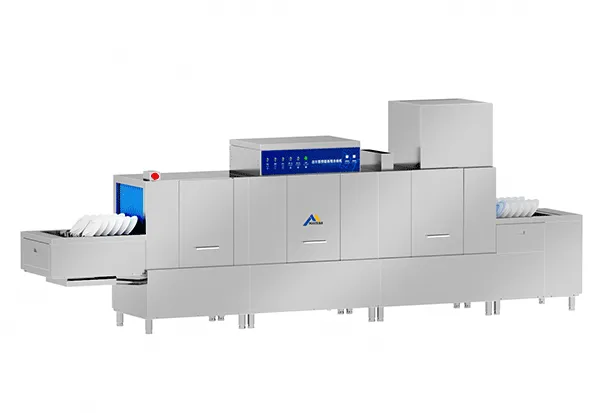
For high-volume foodservice operations—such as large restaurants, luxury hotels, busy hospitals, university cafeterias, catering kitchens, and food factories—a standard undercounter or hood-type machine simply isn't enough. In these demanding environments, the commercial conveyor dishwasher is the undisputed beating heart of the back-of-house workflow.
Capable of processing hundreds of racks and thousands of dishes per hour, a conveyor dishwasher (whether rack-conveyor or flight-type) relies on a complex system of moving belts, multiple wash zones, and high-powered heating elements. However, long-term, high-load operation means these industrial machines are subjected to grueling conditions.
When a conveyor dishwasher begins to falter, it leads to severe downtime, poor cleaning results, massive water waste, energy inefficiency, and crippling workflow disruptions. Even a minor issue can create serious operational bottlenecks during peak business hours. When you are feeding 2,000 people, reverting to manual washing is simply not an option.
This guide explains the 10 most common conveyor dishwasher problems, their underlying causes, and practical, actionable solutions for foodservice businesses to keep their high-volume commercial kitchen dishwashers running at peak performance.
Why Conveyor Dishwasher Maintenance Matters
Before diving into specific mechanical issues, it is crucial to understand why proactive maintenance for conveyor dishwashers is a non-negotiable aspect of running a large-scale commercial kitchen dishwashers operation.
1. Hygiene Compliance and Food Safety
In high-capacity kitchens, a drop in sanitation performance means hundreds of contaminated plates are distributed within minutes. Maintaining the precise temperature and chemical balance in a conveyor dishwasher's wash and rinse zones is critical to passing health inspections and preventing foodborne illnesses.
2. Labor Efficiency and Workflow
A rack conveyor dishwasher allows a massive kitchen to operate with just 2 or 3 staff members in the dish pit. If the conveyor drive fails, the kitchen workflow collapses. Staff are forced into panic mode, leading to massive overtime, front-of-house delays, and an immediate halt in table turnover.
3. Operating Costs
Conveyor dishwashers have massive wash tanks and powerful booster heaters. If a tank is leaking or a heater is running inefficiently, you aren't just losing a few drops of water—you are hemorrhaging hundreds of gallons of hot water and thousands of dollars in utility bills monthly.
4. Equipment Lifespan
A commercial conveyor dishwasher is a major capital investment. Regular, documented maintenance extends the machine's life by years, maximizing your Return on Investment (ROI) and delaying the need for a costly replacement.
1. Dishes Are Not Coming Out Clean
When dishes exit the drying end of the conveyor still covered in food, the entire high-volume system has failed.
Common Symptoms
Food residue remains baked onto plates, plastic trays feel greasy, coffee cups are stained, and the final sanitization results are unacceptably poor.
Possible Causes
In a conveyor system, this is usually caused by:
Clogged spray arms in the main wash zone.
Missing or torn splash curtains, causing dirty wash water to mix with clean rinse water.
Conveyor speed set too high, not allowing enough time for the water to blast the soil away.
Incorrect detergent dosing or low water temperature.
Solutions
Remove and clear the spray arms and nozzles daily. Inspect the internal splash curtains; if they are overlapping incorrectly or torn, replace them immediately to prevent cross-contamination between zones. Most commercial conveyor dishwashers require wash temperatures around 150°F–160°F and a final rinse temperature of exactly 180°F for high-temp sanitization. Ensure the machine is not running faster than the soil level permits.
2. Cloudy Glassware or Water Spots
Serving water or wine in a spotty, cloudy glass is an immediate red flag for customers.
Common Causes
This is typically a water quality or chemical issue. Hard water (high in calcium and magnesium) leaves mineral deposits as the glassware passes through the high-heat drying zone in a dishwasher conveyor system. Alternatively, the final rinse aid dispenser may be empty or malfunctioning.
Solutions
Install commercial water softeners tailored for the high gallon-per-minute flow rate of a conveyor dishwasher.
Add or adjust the rinse aid to ensure water sheets off the glasses instantly.
Descale the machine's interior tanks regularly to prevent mineral buildup from recirculating.
3. Racks Getting Jammed on the Conveyor Belt
This is a problem exclusive to conveyor systems and causes immediate panic in the dishroom.
Common Causes
A rack gets stuck inside the machine, causing a pile-up. This happens due to a worn drive clutch, a misaligned conveyor track, warped or broken dish racks catching on the internal rails, or overloading heavy items incorrectly.
Solutions
Train staff to use high-quality, unbent racks and to ensure nothing hangs below the bottom of the rack. If the conveyor chain is slipping or jerking, a technician needs to adjust the tension of the drive motor and inspect the conveyor clutch mechanism.
4. Conveyor Dishwasher Is Leaking
With hundreds of gallons of water circulating, a leak in a conveyor dishwasher is an active hazard.
Common Causes
Leaks typically stem from worn door gaskets on the large inspection doors, damaged O-rings on the wash pipes, blocked overflow drains causing the tank to spill over, or the heavy machine settling and becoming improperly leveled.
Solutions
Inspect the large inspection doors daily. If water is dripping from the seams, replace the rubber seals. Ensure the drainage overflow tubes inside the tanks are seated properly. Use a heavy-duty spirit level to ensure the multi-module machine is perfectly flat across its entire length.
5. Dishwasher Is Not Draining Properly
At the end of a shift, the massive tanks need to be drained. If they don't, you face a serious sanitation risk.
Common Causes
Conveyor dishwashers use large scrap baskets to catch high volumes of food. If these overflow, food debris clogs the main drain valves. Other causes include a failing drain pump or a kinked external drain line. Drainage problems often lead to bacterial growth and unpleasant odors overnight.
Solutions
Empty the primary scrap baskets multiple times throughout the shift—do not wait until the end of the day. Flush the drain valves with hot water. If the electronic drain valve fails to open, a technician may need to replace the actuator.
6. Unusual Noises During Operation
Loud grinding, rattling, or intense humming sounds echo loudly in a commercial kitchen.
Common Causes
In a conveyor machine, rattling is often caused by loose spray arms or missing end-caps on the wash pipes. Grinding noises almost always point to the conveyor drive motor or worn-out bearings in the massive 2HP wash pumps.
Solutions
Immediately halt the conveyor. Check that all internal wash and rinse arms are locked firmly into place. If a harsh humming or grinding sound persists from the bottom of the machine, call a technician to evaluate the wash pump motors and the conveyor chain drive before catastrophic failure occurs.
7. Machine Won't Start
You feed a rack into the machine, but the belt won't move and the water won't spray.
Common Causes
Conveyor dishwashers are equipped with multiple safety mechanisms. Common culprits include:
Table Limit Switch: A switch at the end of the clean table that stops the machine if dishes pile up.
Door Safety Switches: If any of the large inspection doors are even slightly open, the machine won't run.
Water Level Sensors: If the tanks haven't filled to the minimum level, the heaters and pumps remain locked out.
Solutions
Clear the clean dish table to disengage the limit switch. Firmly press all inspection doors closed. Check the water pressure from your facility's supply line to ensure the tanks are filling fast enough. Many commercial dishwasher startup problems are caused by simple electrical or safety switch issues rather than major mechanical failures.
8. Bad Odors Inside the Machine
A machine designed to sanitize should not smell like a dumpster.
Common Causes
Because conveyor dishwashers have long, dark tunnels, they are prone to hidden food buildup. Odors are caused by rotting food trapped in the splash curtains, grease buildup under the heating elements, and mold growth from standing water.
Solutions
Daily deep cleaning is mandatory. Remove all curtains and scrub them in the sink. Sanitize the interior tanks, and critically, leave all inspection doors wide open overnight to allow the massive wash chambers to air dry completely.
9. Poor Drying Performance
Dishes come out of the exit end soaking wet, forcing staff to manually towel-dry them (which violates health codes).
Common Causes
High-volume conveyor dishwashers rely on a combination of 180°F final rinse water (flash drying) and an optional blower/dryer module. If dishes are wet, the final rinse temperature is too low, the rinse aid is empty, or the blower motor has failed.
Solutions
Check the booster heater gauge to ensure it reads 180°F+. Refill the rinse aid. If your machine has a drying module, inspect the air intake filters to ensure the blower is pushing sufficient hot air over the exiting racks.
10. Commercial Dishwasher Overheating
Excessive steam billowing from both ends of the conveyor is a thermal regulation problem.
Common Causes
A faulty thermostat, a blocked exhaust ventilation hood above the machine, or a heating element contactor welded shut (meaning it constantly heats the water to boiling point). This causes safety hazards (burns), damages plastic wares, and wastes immense amounts of electricity.
Solutions
Immediately inspect the kitchen's HVAC extraction hood above the machine to ensure it is drawing steam away. Test the tank thermostats and have a professional service the electrical contactors.
How Preventive Maintenance Reduces Downtime and Operating Costs
High-volume kitchens cannot survive reactive maintenance. Preventive maintenance is the only way to manage a conveyor dishwasher.Preventive maintenance helps reduce unexpected breakdowns, extend the machine's lifespan, lower repair costs, improve energy efficiency, and maintain flawless hygiene standards. For high-volume kitchens, even one hour of conveyor dishwasher downtime can disrupt the entire workflow, leaving hundreds of meals delayed.Conveyor Dishwasher Maintenance Checklist:
| Maintenance Task | Frequency |
| Clean scrap trays & spray arms | Daily (Every shift) |
| Wash and inspect splash curtains | Daily |
| Check conveyor limit switches | Weekly |
| Descale interior tanks & elements | Monthly |
| Professional drive chain & motor inspection | Every 6–12 months |
Signs It's Time to Replace Your Conveyor Dishwasher
Older commercial conveyor dishwashers often consume significantly more water and energy than modern high-efficiency models. Watch for these signs that replacement is necessary:
Frequent Drive Failures: If the conveyor belt constantly jams or requires motor repairs.
Astronomical Utility Bills: Older machines without heat recovery systems waste thousands of dollars in exhausted steam and hot water.
Inconsistent Sanitation: If the machine struggles to maintain 180°F during continuous high-volume rushes.
Changing Kitchen Volume: If your facility has grown and the current machine cannot keep up with the racks-per-hour demand.
Choosing a Reliable Commercial Dishwasher Manufacturer
When outfitting a central kitchen, hospital, or major restaurant with a new conveyor dishwasher, B2B buyers and distributors must evaluate manufacturers stringently.B2B Buyer Evaluation Checklist:
| Evaluation Factor | Why It Matters |
| Modular Design Capability | Allows buyers to add custom wash, rinse, or dryer zones based on kitchen length. |
| OEM / ODM Support | Crucial for distributors wanting private labeling and brand expansion. |
| Global Certifications | Ensures equipment passes strict CE, ISO, and local health compliance standards. |
| Spare Parts Availability | Rapid access to parts reduces catastrophic downtime in high-volume kitchens. |
About Mayers Commercial Dishwashing Solutions
When global foodservice operations need heavy-duty, high-volume warewashing, they turn to Mayers.Mayers is a professional manufacturer specializing in commercial dishwashing equipment and intelligent catering solutions tailored for global foodservice businesses. Founded in 2012 in Shenzhen, China, Mayers focuses heavily on engineering robust Rack Conveyor Dishwashers, Flight Type Dishwashers, and customized warewashing systems.With 13 years of R&D and manufacturing experience, Mayers operates a 5000㎡ production facility staffed by a dedicated 50-person R&D and production team. Holding ISO9001, ISO45001, ISO14001, CE, CQC, and RoHS certifications, our high-efficiency conveyor systems are trusted and exported to over 150 countries.
One-Stop OEM and Customization Services
Conveyor dishwashers are rarely "one size fits all." Mayers provides comprehensive OEM private labeling and customized engineering.
Product size, module length, voltage, and electrical configurations can all be completely customized to meet worldwide market standards and specific project layouts.
Full After-Sales Technical Support
Installing a massive conveyor system requires expertise. Mayers provides elite installation guidance, ongoing maintenance support, rapid spare parts assistance, and technical consultation. Full after-sales support allows global distributors and commercial kitchen contractors to operate with absolute confidence.
Explore Mayers Product Categories
While we excel in high-volume conveyor systems, Mayers manufactures solutions for every kitchen size:
Rack Conveyor Dishwasher (Customizable modules, heat recovery options)
Flight Type Dishwashers (Ultimate high-volume, peg-belt systems for food factories)
Hood Type Dishwasher
Undercounter Glasswasher
Commercial Fruit and Vegetable Washer
Commercial Ultrasonic Dishwasher
Plastic Crate Washer
Tray Return Conveyor Systems
Frequently Asked Questions
What is the difference between a rack conveyor and a flight type dishwasher?
A rack conveyor requires dishes to be loaded into standard plastic racks (usually 20x20 inches), which are then pulled through the machine. A flight type dishwasher features a continuous belt with built-in pegs, allowing staff to place plates and trays directly onto the belt, making it ideal for massive operations like cafeterias and hospitals.
Why does my conveyor dishwasher leave dishes wet?
This is usually caused by a final rinse temperature dropping below 180°F, an empty rinse aid dispenser, or a malfunctioning blower/dryer module at the exit end of the conveyor.
How often should a conveyor dishwasher be descaled?
Due to the high volume of water processed, conveyor dishwashers should be descaled at least once a month. If your facility has hard water and no water softener, you may need to descale it bi-weekly to protect the heating elements and wash pumps.
How long do commercial conveyor dishwashers last?
Built for heavy industrial use, high-quality commercial conveyor dishwashers typically last 10–15 years with proper daily cleaning and professional preventive maintenance.
When should a large conveyor dishwasher be replaced?
Frequent drive motor breakdowns, severely leaking welded tanks, rising utility costs, and the inability to keep up with increased racks-per-hour demands are strong indicators that it is time to upgrade to a modern, heat-recovery conveyor model.
 English
 Español
 русский